Why this topic has extremely high search volume
High Blood Pressure, also known as Hypertension, is one of the most searched health conditions globally because it affects over a billion people and is often called the “silent killer.” People constantly search for blood pressure symptoms, normal BP ranges, home remedies, foods to avoid, and ways to lower BP naturally. This makes hypertension an evergreen, ultra‑high traffic topic for blogs, websites, and Google Discover.
Introduction
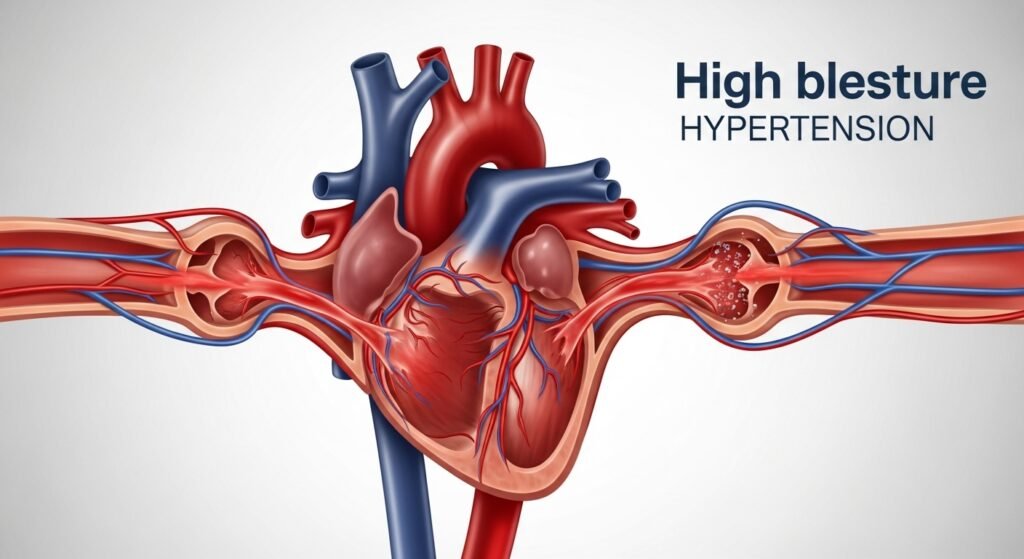
High Blood Pressure (Hypertension) is a chronic medical condition in which the force of blood against the artery walls is consistently too high. Over time, this increased pressure damages blood vessels and vital organs, significantly raising the risk of heart disease, stroke, kidney failure, and premature death.
What makes hypertension especially dangerous is that most people experience no clear symptoms until serious complications occur. Millions live with high blood pressure without knowing it. This detailed guide explains everything you need to know about high blood pressure—from early warning signs to proven methods for long‑term control.
What Is High Blood Pressure?
Blood pressure is measured using two numbers:
- Systolic pressure: pressure when the heart beats
- Diastolic pressure: pressure when the heart rests between beats
A normal blood pressure reading is around 120/80 mmHg. Hypertension is diagnosed when readings consistently stay at or above 130/80 mmHg.
When blood pressure remains high for long periods, arteries lose elasticity, the heart works harder, and organs receive reduced oxygen supply.
Types of Hypertension
1. Primary (Essential) Hypertension
This is the most common type and develops gradually over years. It is linked to lifestyle factors and genetics.
2. Secondary Hypertension
Caused by an underlying condition such as kidney disease, hormonal disorders, or certain medications. It often appears suddenly and is more severe.
Causes and Risk Factors
Hypertension develops due to a combination of factors.
Major Risk Factors
- Excess salt intake
- Obesity and abdominal fat
- Physical inactivity
- Chronic stress
- Smoking and alcohol use
- Family history of high blood pressure
- Aging
- Poor sleep and sleep apnea
Symptoms of High Blood Pressure
Most people feel nothing, which is why regular monitoring is critical. When symptoms occur, they may include:
- Headaches (especially in the morning)
- Dizziness or lightheadedness
- Shortness of breath
- Chest pain
- Blurred vision
- Nosebleeds
- Irregular heartbeat
Severe hypertension can cause medical emergencies.
How High Blood Pressure Is Diagnosed
Diagnosis is made using repeated blood pressure measurements:
- Clinic blood pressure readings
- Home blood pressure monitoring
- 24‑hour ambulatory blood pressure test
Doctors may also order blood tests, urine tests, ECG, or imaging to assess organ damage.
Dangers and Complications
Uncontrolled hypertension can lead to life‑threatening complications:
Heart‑Related Complications
- Heart attack
- Heart failure
- Thickened heart muscle
Brain‑Related Complications
- Stroke
- Memory loss and dementia
Other Complications
- Kidney damage
- Vision loss
- Sexual dysfunction
- Peripheral artery disease
Can High Blood Pressure Be Cured?
High blood pressure is usually manageable but not permanently curable. However, many people can control it effectively—and sometimes reduce or stop medications—through consistent lifestyle changes.
Diet for High Blood Pressure (DASH Diet)
Diet plays a crucial role in blood pressure control.
Best Foods to Lower Blood Pressure
- Leafy green vegetables
- Bananas and potassium‑rich fruits
- Whole grains
- Low‑fat dairy products
- Nuts and seeds
- Olive oil
- Fatty fish rich in omega‑3
Foods to Avoid
- Excess salt and processed foods
- Fast food
- Sugary drinks
- Red and processed meat
- Trans fats
Exercise and Physical Activity
Regular physical activity strengthens the heart and reduces arterial pressure.
Recommended Activities
- Brisk walking
- Jogging or cycling
- Swimming
- Strength training
- Yoga and breathing exercises
Aim for 30 minutes of moderate exercise most days of the week.
Stress, Sleep, and Blood Pressure
Chronic stress triggers hormonal responses that raise blood pressure.
Practical Stress‑Reduction Tips
- Deep breathing and meditation
- Limiting caffeine
- Maintaining a regular sleep schedule
- Reducing screen time before bed
Quality sleep of 7–8 hours is essential for blood pressure regulation.
Medications for High Blood Pressure
When lifestyle changes are insufficient, doctors prescribe medications such as:
- Diuretics
- ACE inhibitors
- ARBs
- Calcium channel blockers
- Beta blockers
Medication should always be taken as prescribed.
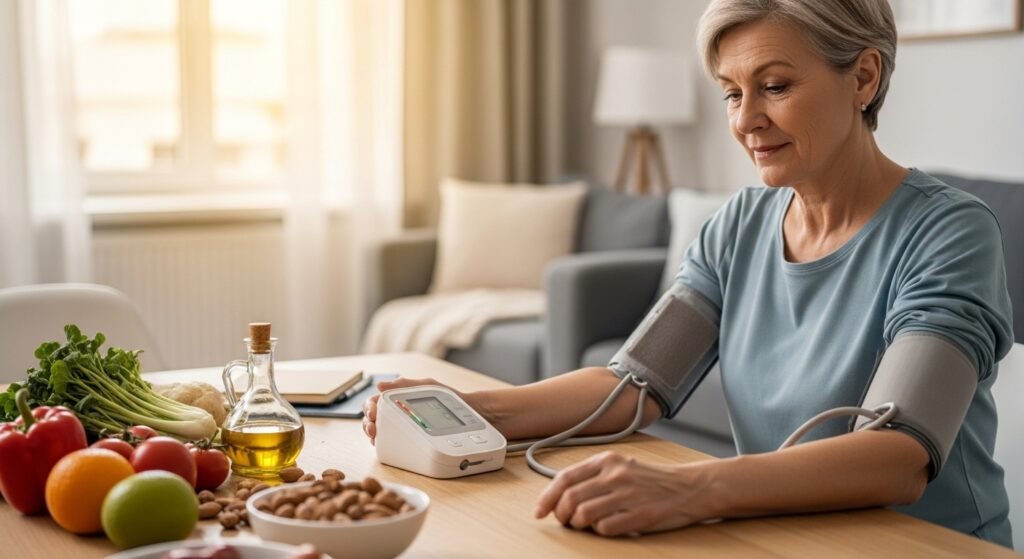
Monitoring Blood Pressure at Home
Home monitoring improves control and early detection:
- Use a validated BP monitor
- Measure at the same time daily
- Keep a blood pressure log
Prevention Strategies
Hypertension can often be prevented:
- Maintain a healthy weight
- Reduce salt intake
- Exercise regularly
- Avoid smoking
- Limit alcohol
- Manage stress
- Get regular checkups
Living a Healthy Life With Hypertension
With awareness, discipline, and proper care, people with high blood pressure can live long, healthy, and active lives without major complications.
Final Thoughts
High blood pressure is one of the most dangerous yet preventable health conditions. Early detection, consistent lifestyle habits, and proper medical care can save lives and dramatically improve quality of life.