Introduction: Your Body Speaks—But Are You Listening?
What if your body has been warning you for months… maybe years—before a serious health problem appears?
Most people believe illness happens suddenly. A heart issue, mental burnout, chronic fatigue, anxiety, or hormonal imbalance seems to arrive “out of nowhere.” But science tells a different story. The human body is constantly sending silent signals—small, often ignored signs that something is going wrong beneath the surface.
For audiences in Tier-1 countries, where lifestyle stress, screen exposure, sleep disruption, and mental overload are common, these hidden signals are becoming more widespread than ever.
This article uncovers the mysterious early warning signs your body gives long before a health breakdown—and why recognizing them early can make a powerful difference.

1. Chronic Fatigue That Sleep Doesn’t Fix
Feeling tired after a long day is normal.
Feeling exhausted even after 7–8 hours of sleep is not.
Many people experience persistent fatigue and assume it’s just work stress or aging. But research suggests this type of exhaustion may be linked to:
- Nervous system overload
- Hormonal imbalance
- Chronic stress response
- Poor sleep quality (not quantity)
The mystery is that medical tests often appear “normal,” leaving people confused and frustrated. Yet fatigue is one of the earliest signs that the body is struggling to maintain balance.
2. Brain Fog: When Your Mind Feels Cloudy
Have you ever walked into a room and forgotten why?
Or struggled to focus on tasks that used to feel easy?
This mental haze—commonly called brain fog—is increasingly reported across high-income countries. It’s not a disease, but a signal.
Possible underlying contributors include:
- Prolonged stress
- Poor gut–brain communication
- Irregular sleep cycles
- Excessive screen exposure
Brain fog is the mind’s way of signaling that something in your lifestyle or internal system needs attention.
3. Sudden Mood Shifts With No Clear Reason
Mood changes are often blamed on external circumstances, but frequent unexplained emotional shifts may point to deeper health patterns.
These may include:
- Irritability without cause
- Anxiety spikes
- Low motivation
- Emotional numbness
Modern health research increasingly links emotional regulation to biological systems, not just psychology. Hormones, sleep rhythms, nutrition, and nervous system balance all play crucial roles.
When mood changes persist, the body may be signaling internal stress rather than emotional weakness.
4. Digestive Issues That Come and Go
The gut is often called the “second brain,” and for good reason.
Unpredictable digestive discomfort—bloating, irregular appetite, or sensitivity to foods—can be early signs of systemic imbalance.
Many people ignore these symptoms because they’re inconsistent. However, intermittent digestive issues often reflect:
- Stress-related gut response
- Nervous system imbalance
- Disrupted eating rhythms
The body may be communicating distress through digestion long before more serious conditions develop.
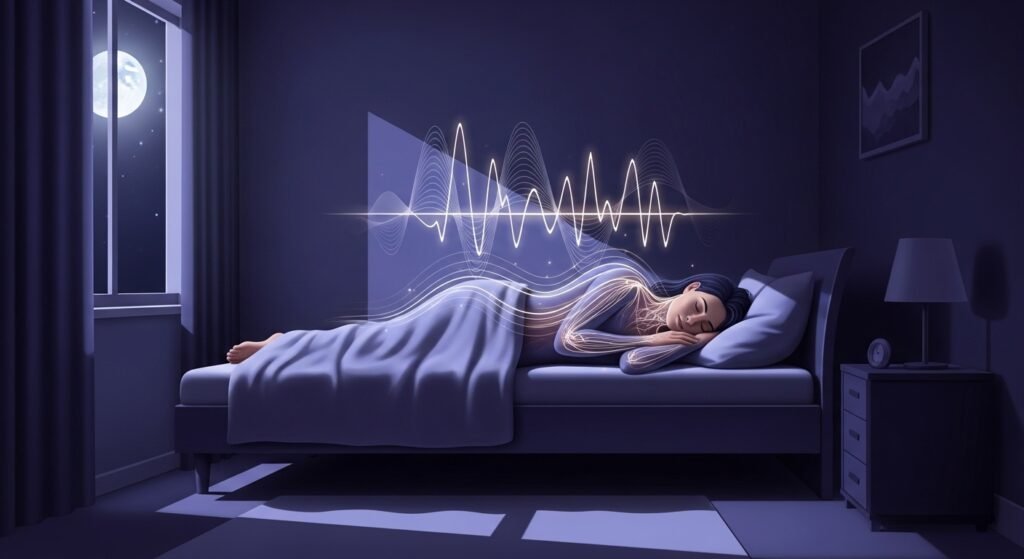
5. Sleep That Feels Restless or Unrefreshing
You may go to bed on time, avoid caffeine late, and still wake up feeling unrested.
This isn’t always insomnia. Instead, it can indicate that the body is stuck in a heightened alert state, even during sleep.
Common contributors include:
- Chronic stress exposure
- Irregular daily routines
- Overstimulation from screens
- Poor circadian rhythm alignment
Sleep quality—not just duration—is one of the most powerful indicators of long-term health.
6. Loss of Interest in Things You Once Enjoyed
This signal often goes unnoticed because it develops slowly.
When hobbies, social interaction, or creative activities lose their appeal, many assume it’s just life getting busy. But reduced enjoyment can be linked to:
- Mental fatigue
- Emotional overload
- Prolonged stress adaptation
This doesn’t mean something is “wrong” with you—it means your system may be asking for restoration.
7. Why Tier-1 Lifestyles Increase These Hidden Signals
In developed countries, modern convenience comes with invisible health costs:
- Constant connectivity
- High productivity pressure
- Reduced physical movement
- Disrupted natural rhythms
The body evolved for balance—not constant stimulation. Over time, these lifestyle patterns quietly strain internal systems, leading to subtle warning signs long before visible illness appears.
8. The Science of Listening to Your Body
Modern health research increasingly emphasizes preventive awareness—recognizing patterns early rather than reacting later.
Listening to your body does not mean panic or self-diagnosis. It means:
- Observing patterns over time
- Respecting rest signals
- Maintaining consistent routines
- Supporting mental and physical balance
Small adjustments, made early, often have the greatest long-term impact.
9. Prevention Is Not About Perfection
One common misconception is that health requires extreme discipline or constant optimization. In reality, sustainable health is built through consistency, not intensity.
Simple practices—regular sleep schedules, balanced information intake, mindful breaks, and emotional awareness—support the body’s natural ability to recalibrate.
10. Why These Signals Matter More Than Ever
As healthcare systems in Tier-1 countries shift toward prevention, understanding early body signals becomes increasingly valuable.
Ignoring them doesn’t make them disappear—it only delays awareness. Recognizing them early empowers individuals to make informed, responsible health decisions.
Conclusion: The Quiet Warnings Are the Loudest
Your body is not working against you.
It’s communicating—constantly.
The most dangerous health problems are often not the loud ones, but the quiet ones we learn to ignore. Fatigue, brain fog, emotional shifts, digestive discomfort, and restless sleep are not failures—they are messages.
By paying attention early, we give ourselves the opportunity to respond with care, balance, and informed choices.
In a world full of noise, listening to your body may be the most powerful health skill you can develop.